
For decades, students at UW–Madison have enjoyed the outdoors and learned about the environment at the Lakeshore Nature Preserve. From walks to Picnic Point to strolls down the Lakeshore Path, the Lakeshore Nature Preserve is an extension of the classroom and a space for research, conservation, and curiosity at the UW.
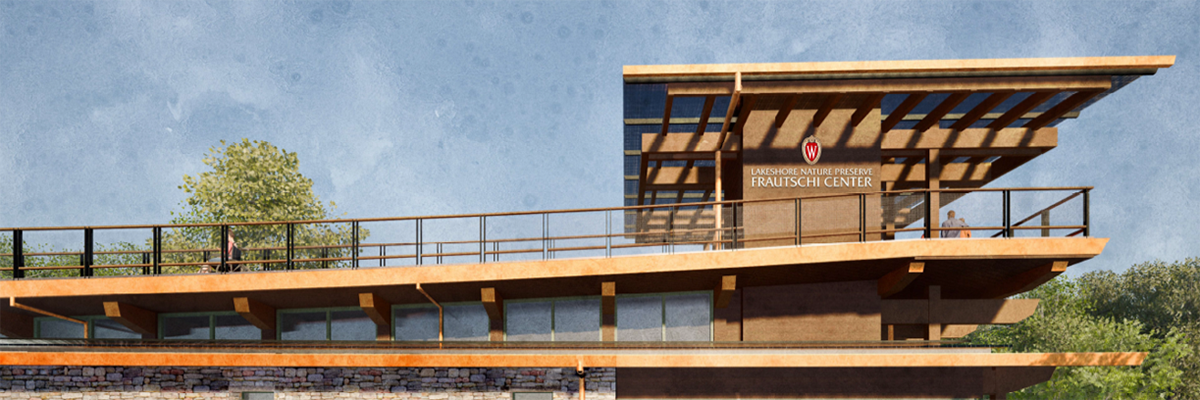
The preserve will soon expand its services with the development of the Frautschi Center, a new visitor and education building that will help promote sustainability and advance the ecological preservation of the area.
“It’s a transitional time for the preserve, and this building is ushering it in,” says director of the Lakeshore Nature Preserve Brad Herrick PhDx’26. “Our main focus is to promote ecological restoration and manage the land sustainably to increase native biodiversity of an urban natural area. The Frautschi Center will be a critical piece for this work by allowing for more efficient and effective land management.”
The project will allow the preserve to offer hands-on learning and expand service to the greater Madison community.
“In addition to engaging with the UW students and faculty, we take seriously the Wisconsin Idea and our obligation to provide education and outreach to the broader Madison community, and beyond. This building is going to be an important vehicle for that — for community engagement, to be a gathering space,” he says.
The preserve is a “living laboratory,” which means it’s a hub for research and teaching activities and a place for students and the community to gather to learn about the natural world. The Lakeshore Nature Preserve staff manages 300 acres of land including more than four miles of shoreline and 12 miles of trails. The team works year-round to restore biodiversity and maintain the natural ecosystems of the land.
Through support from the late Jerry Frautschi ’56 and his family — and gifts from UW–Madison supporters — the Frautschi Center will highlight UW–Madison’s commitment to sustainability and promote access to the natural world.
Welcoming UW–Madison Students and Alumni
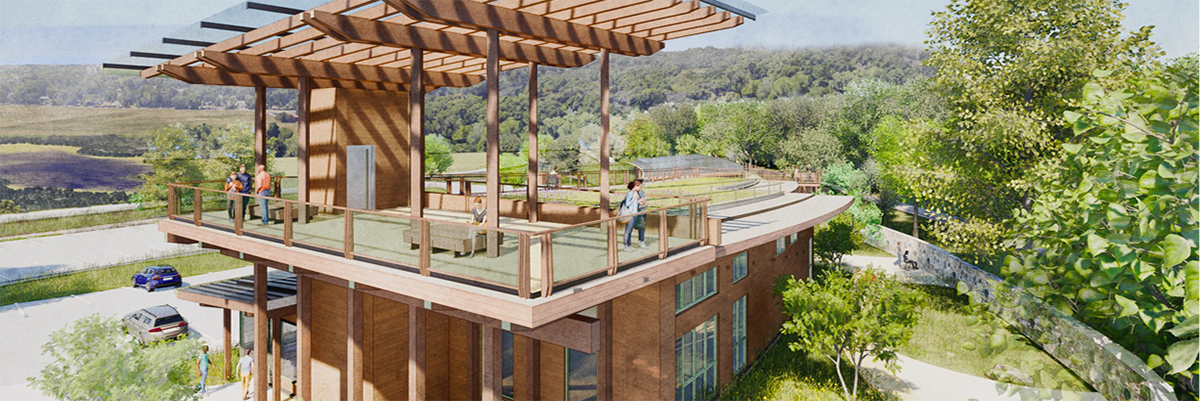
The center will be a gathering place that will invite preserve-goers into the natural landscape and provide visitors with information about the ecological and historical significance of the land and the mission to maintain the natural environment and resources.
“[The Frautschi Center] gives the preserve an identity. If you think about places like the UW Arboretum, state forests, or national parks, most of them have a building or space that acts as a front door to a larger experience,” Herrick says.
“We want people to leave the Frautschi Center with some curiosity,” he says. “We don’t want people to come to this place and then go home. We want it to be a hook — to invite people to go experience what they might have learned in this space.”
The center will include student employee workstations and spaces for student researchers, which Herrick says will create a more cohesive community with UW–Madison students and the preserve and encourage interest in land restoration among the next generation of Badgers. The building will also house staff offices and storage for critical maintenance items and vehicles. Designs for the structure are currently entering their final stages, and construction on the center will likely begin in late 2026.
Sustainability for the Future
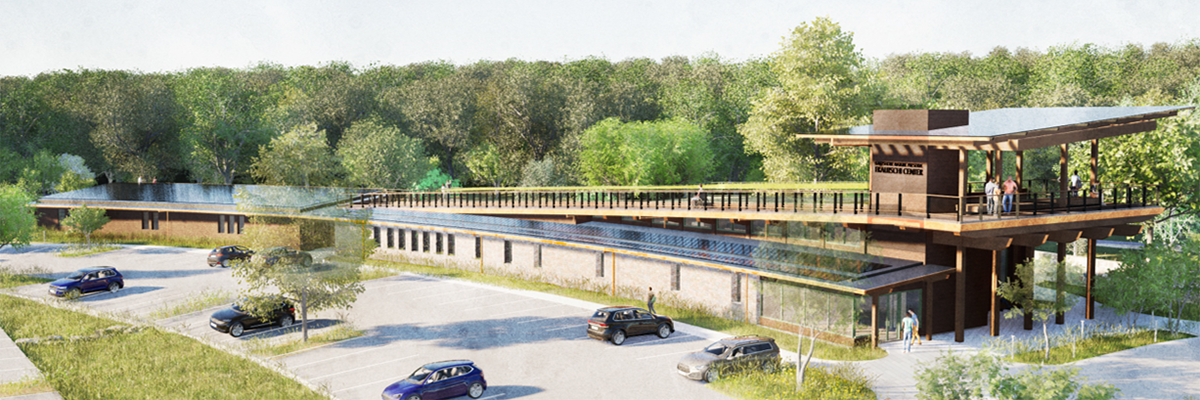
The Frautschi Center has been intentionally planned to create harmony between the landscape and the building. The center will be built sustainably and outside of the Lakeshore Nature Preserve, so it will not disrupt the natural landscape. The building will be the UW’s first net-positive energy building, which means it will produce more energy than it consumes. It will also be one of the state’s first living buildings, certifying it as a sustainable and regenerative structure. Herrick says some of the features to highlight in the center include energy production from geothermal panels and solar panels, a green roof, rainwater reuse, native plant landscaping, and more.
“I hear a lot of stories, especially from alumni, about their experiences and memories of the preserve. Maybe they were in a running club, part of an exciting class project, or hung out with friends at fire circles on Picnic Point — people want to come here,” Herrick says. “There’s a lot to explore.”
“The more we can share with the community about the important history of the preserve and the value of protected campus natural resources to human well-being and student learning, the more knowledgeable and engaged people will be with our mission of research, teaching, education and outreach.”