At the Wisconsin Cranberry Research Station, CALS scientists team up with growers to solve some of the toughest problems that arise while cultivating this native fruit crop — including exposure to frigid temperatures.
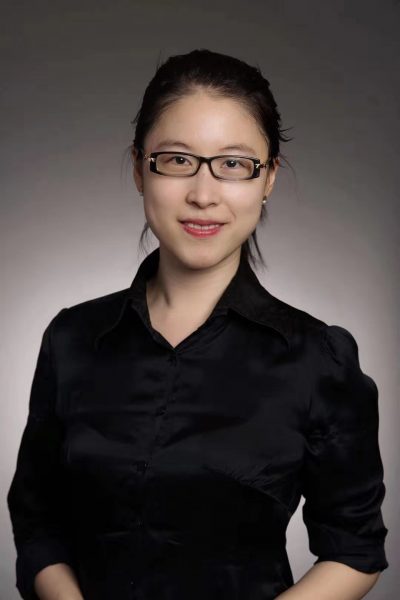
Kaiping Chen, an assistant professor in the Department of Life Sciences Communication who specializes in computational communication, has been named the first recipient of the Burkhardt Seed Grant Professorship. This professorship supports and encourages early-stage, high-risk/high-reward research at UW–Madison.
Michael Sussman, professor of biochemistry, is the first recipient of the Salm-Bray Distinguished Chair at the UW–Madison College of Agricultural and Life Sciences. This chair recognizes and rewards a faculty member who demonstrates exceptional cross-disciplinary scholarship and collaboration in the area of human or animal health, and who advances the impact of agriculture through the identification and development of novel bio-functional compounds.
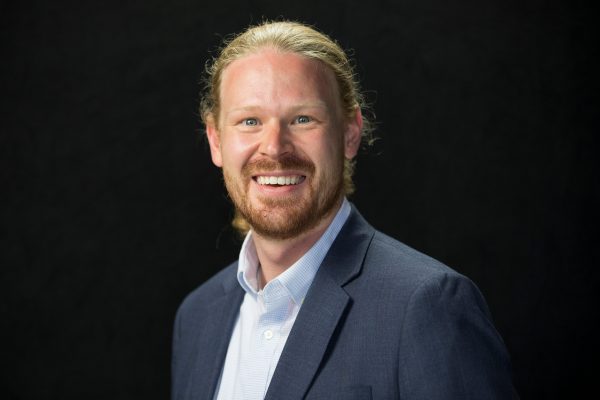
Kent Weigel and Milo Wiltbank, both professors in the University of Wisconsin–Madison Department of Animal and Dairy Sciences, have been named the inaugural recipients of the university’s new Judge John J. Crown chair appointments.
Andrew Stevens, assistant professor in the Department of Agricultural and Applied Economics, was recently selected to receive the Myron H. and Anna Atwood Faculty Fellow Award. Stevens is an economist with broad research interests in agricultural and food policy.
Adam Kuchnia, assistant professor in the Department of Nutritional Sciences, has been selected to receive an Elton D. and Carrie R. Aberle Faculty Fellow Award. Kuchnia’s research program focuses on nutritional management in clinical populations, with an emphasis on muscle and protein metabolism – with the goal of preserving muscle mass in this group.
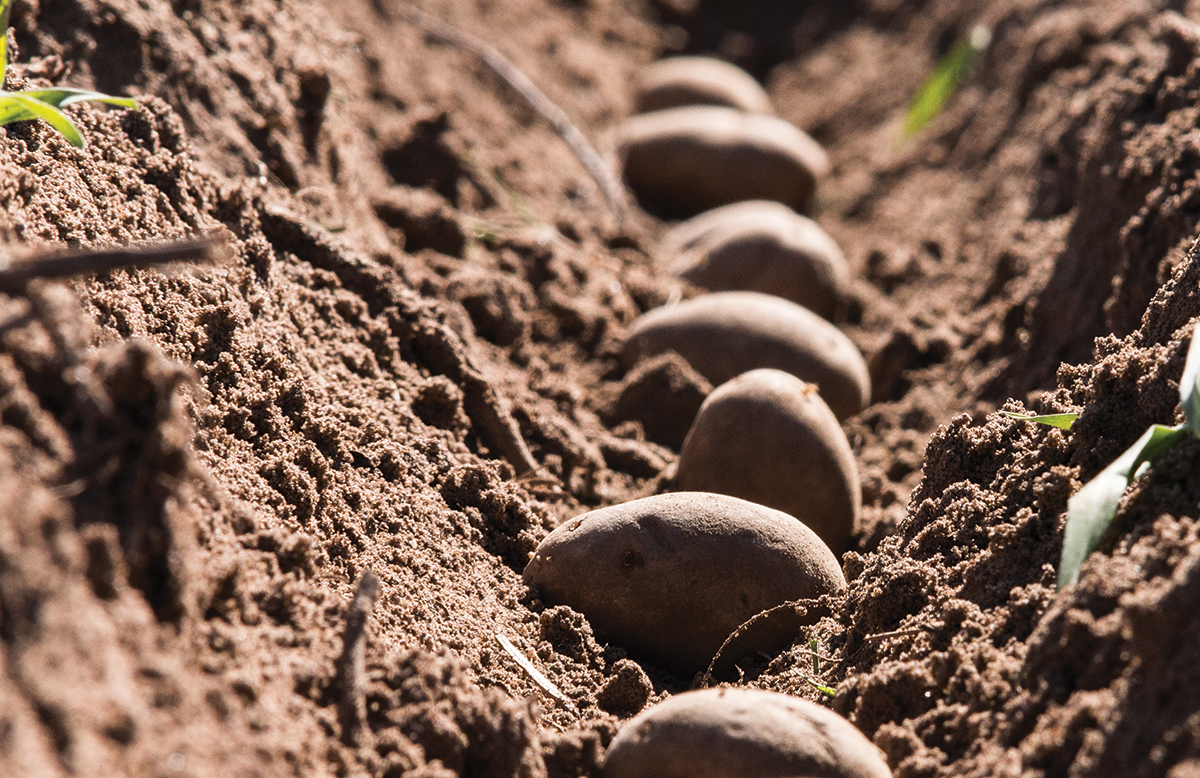
Back in 2017, Wisconsin’s potato producers made a big commitment to CALS. In January of that year, industry leaders announced their intention to raise $5 million over 10 years to help support the college’s potato program. Since then, they’ve been taking the steps needed to reach their goal.
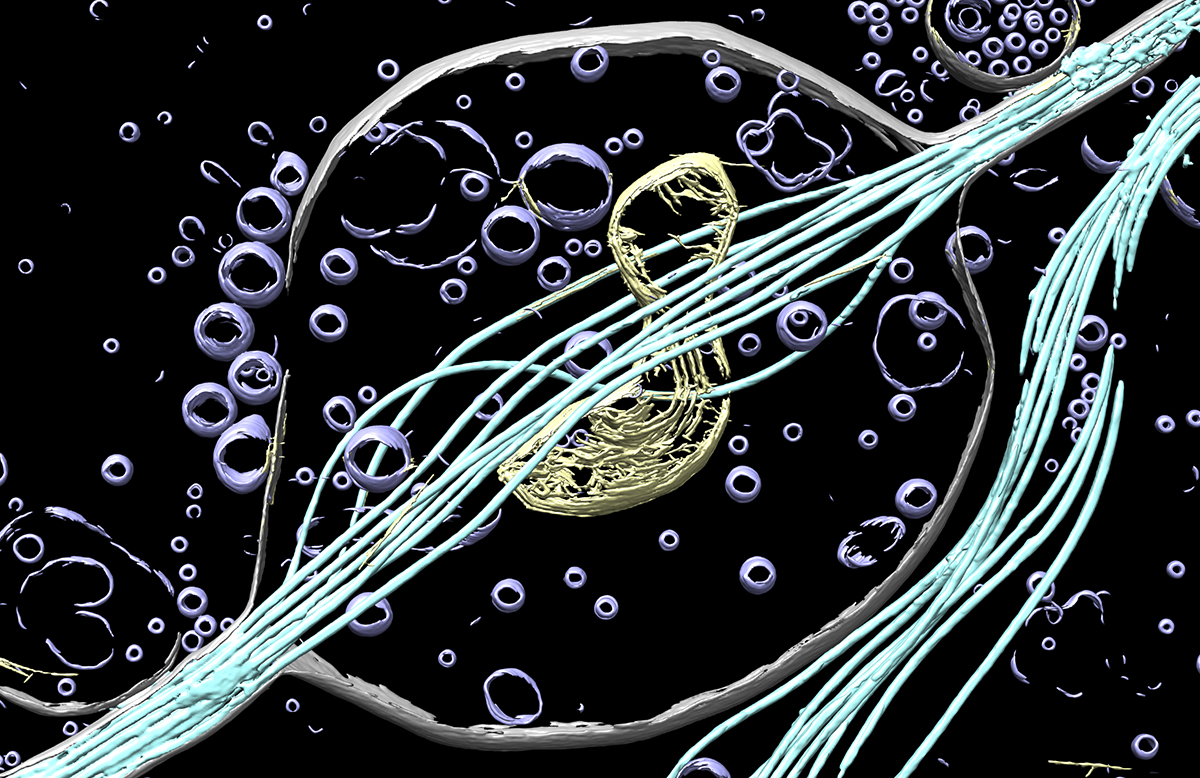
Less than a decade ago, UW researchers began to gather and assemble the components of a powerful, advanced imaging technology called cryo-electron microscopy (cryo-EM) that would allow them to observe the structures of some of the tiniest building blocks of life. In 2021, they realized their vision as the Department of Biochemistry launched the Cryo-Electron Microscopy Center (CEMRC).